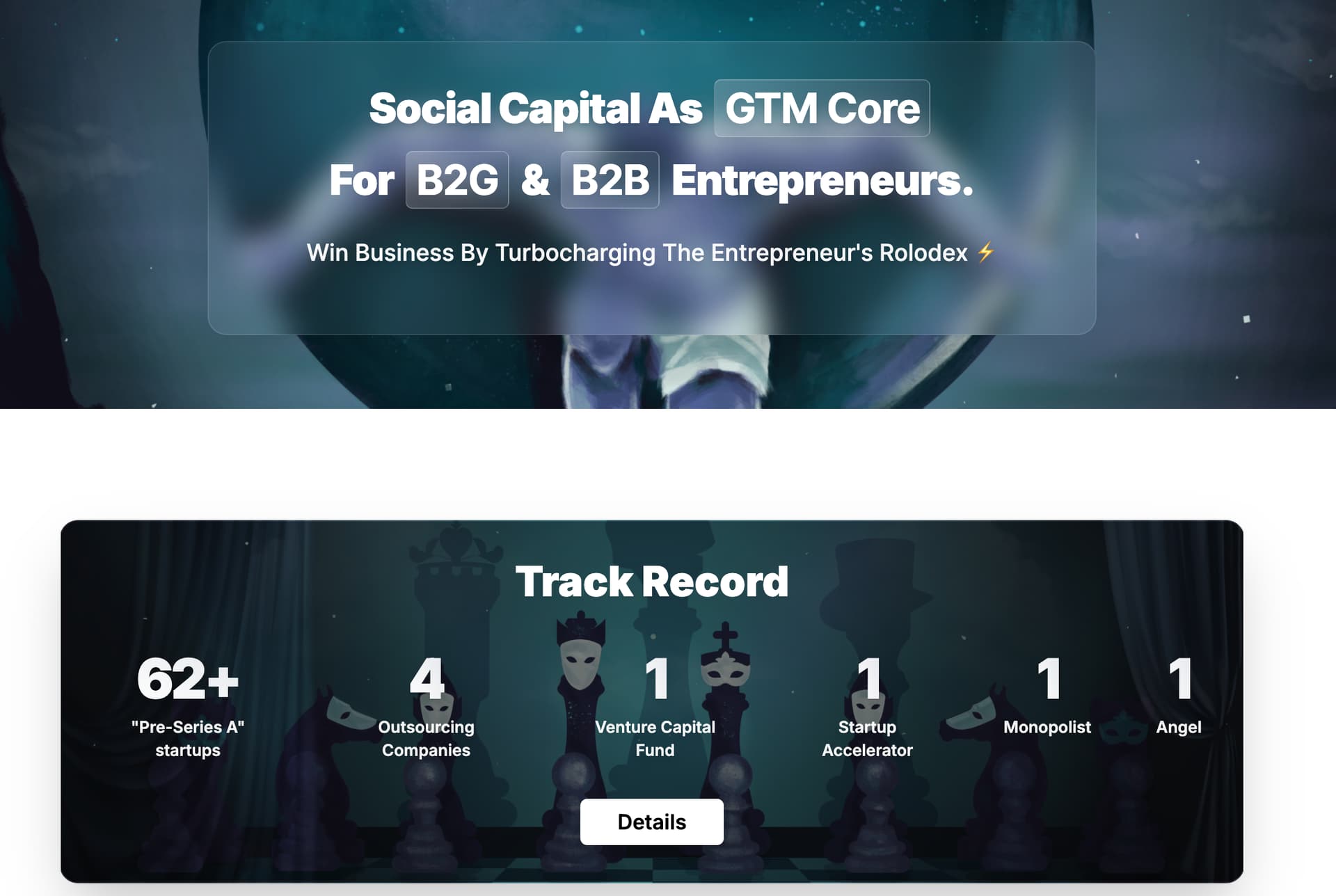
Website (change VPN to USA to see it):
This is my first vibe coding project, and I have built a website for my business. Here are 9 lessons for people just starting:
 Build the copy & structure FIRST (before that, ICP, define services/product, etc)
This hasn’t changed. Fool with a tool is still a fool. If you start building without this, you will lose SO MUCH time by testing what AI can do and THINK you are progressing. Hint: you’re not.
 AI can help write your copy after you do the first 4-5 pages manually. But those first pages need to be FIRE.
Most of us who have built websites know that you define modules first, then you reuse them across the website. Similarly, when AI has enough data, it can suggest varieties of the copy applied, adjusted to a new page. It even blew me away how it used data from home to remind people on the contact page of the criteria to qualify for a consult. I just said at that point: “With everything you know now, build me a contact page.” And it did!
 This isn’t everyone-friendly (yet).
You need basic coding knowledge or IT project management to know how to troubleshoot and prompt. Without the logic that most of us see as implied, building something will be too hard, and most will quit. Except for the kids. They have digital-native reflexes.
 Build a style guide for the website early on.
I didn’t do that, and every time I built a new section, I needed to prompt AI to make adjustments to the rest of the website. It drained me. It’s easier if you have the style and can upload directions to build everything according to it from the get-go.
 AI can keep up with ADHD, making things easier for people who think and ideate fast.
For people with ADHD, this is a breakthrough, as for the first time, they can follow the idea, without having to translate it to normie language. Interestingly, ADHD people will be less ADHD, because others are not draining them. As a result, their productivity will increase with AI.
 People will (actually) learn coding logic
AI’s pitch is the ability to avoid coding. I don’t think that’s accurate. Troubleshooting will become more everyone-friendly. People will learn more about structure and general code logic than ever before because they are the ones fixing the mistakes. They will be incentivized to learn to avoid them.
 We will have better, more creative websites.
I don’t think copying will be a problem since the price of editing is nothing. I think we will see more custom websites than ever, since now the CMO can enter and tweak them whenever.
 Timeline & people optimization
Since “order of things” is less important, now the person building the website can switch to the less brain-demanding tasks when tired, and still be productive. Can’t write copy right now? Great. Focus on fixing the UX across devices and testing stuff out. The bad thing here, ofc is the fact that all these tasks become one person’s job, probably for not more money.
 No blank page problem. Building as a brainstorming session is a thing
Build stuff out with minimal effort and prompts to generate ideas. Since the build cost is zero, sometimes reaching the goal means building random or half-baked solutions until something resonates. Much like copywriters simply throw out ideas and then focus on the top 1-3.